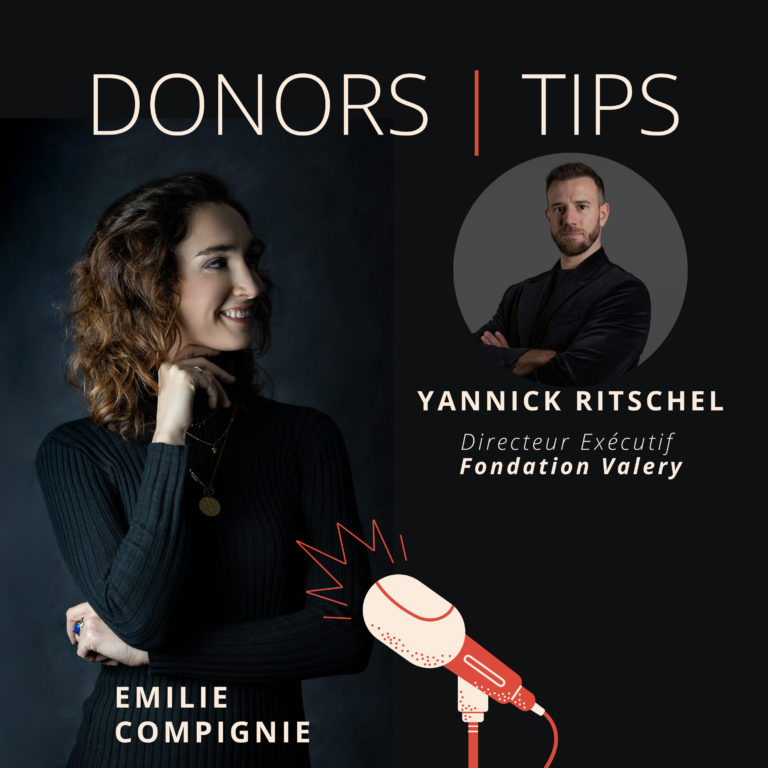

DONORS | TIPS, le podcast qui rapproche les donateurs des fundraisers! Ce podcast, proposé par Emilie Compignie, offre des interviews de donateurs institutionnels suisses et internationaux afin qu’ils puissent transmettre aux organisations à but non lucratif, et plus particulièrement aux fundraisers, des informations clés et des astuces pour une collecte de fonds réussie. Emilie est Fondatrice de E | C Consulting qui propose une expertise pour les organisations à but non lucratif en collecte de fonds, création de projets, processes internes et installation à Genève.
La philanthropie traditionnelle fait face à un défi structurel : comment maximiser l'impact d'un capital limité dans un monde confronté à des crises environnementales et sociales d'une ampleur croissante ? Dans ce contexte, l'impact investing s'impose progressivement comme une réponse stratégique, brouillant la frontière entre le don et l'investissement pour faire du capital un levier actif de transformation.
À Genève, carrefour mondial de la finance et de la philanthropie, cette évolution prend une résonance particulière. Selon Swiss Sustainable Finance, près de 228 milliards de francs sont aujourd'hui gérés via des stratégies d'impact investing en Suisse, un chiffre en progression constante. C'est dans cette dynamique que la Fondation Valery a opéré un tournant stratégique décisif : passer d'une logique de don classique à une approche d'investissement direct, en soutenant des projets à fort potentiel dans les domaines de la biodiversité, de l'économie circulaire et des énergies renouvelables.
Dans ce nouvel épisode de DONORS|TIPS, je reçois Yannick Ritschel, directeur exécutif de la Fondation Valery, formé à HEC et ancien Business manager chez Pictet, qui nous partage les coulisses de cette transformation et les enseignements tirés du terrain.
Au fil de l'échange, plusieurs enjeux clés sont abordés :
Comprendre les différents véhicules financiers : impact investing, ESG, private equity et ce qui les distingue concrètement.
Pourquoi et comment une fondation dotée peut repenser sa prise de risque pour maximiser son impact à long terme.
Le concept de ”double impact” : concilier rendement financier et résultats mesurables sur le plan social et environnemental.
Des exemples concrets d'investissements menés par la Fondation Valery, de la R&D aux prises de participation dans des start-ups.
Les conseils pratiques pour les porteurs de projets qui souhaitent convaincre une fondation d'investir plutôt que de donner.
Investir à impact, ce n'est pas renoncer à la mission philanthropique, c'est la prolonger autrement : en faisant travailler le capital pour qu'il se régénère et finance encore plus de projets demain.
Un épisode plus long que d'habitude pour un sujet qui le mérite largement.
Bonne écoute !