
In the world of fundraising and philanthropy, our ability to forge authentic connections remains our most valuable asset. Yet many still wonder whether digital platforms can truly replace the warmth of a handshake and the intensity of a face-to-face conversation. The answer is clear: digital doesn’t replace in-person interaction; it complements and extends it strategically.
After advising dozens of nonprofit organizations in Geneva and beyond, I’ve observed that the most successful professionals are those who understand how to harmoniously orchestrate their online and offline interactions. Digital networking is not a shortcut; it’s an art that requires as much strategic thinking as human sincerity.
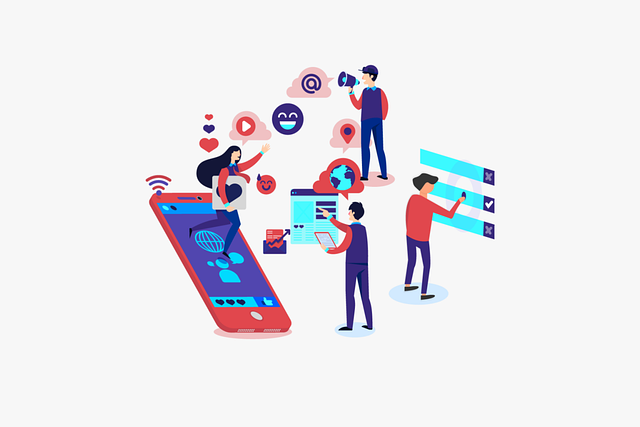
Understanding the Complementarity Between Digital and In-Person
The most common mistake I observe in my consulting work is the tendency to pit digital against in-person networking, as if we must choose sides. In reality, these two approaches work in synergy and address different needs in your relationship development strategy.
In-person meetings excel at creating deep, nuanced connections. When you meet a potential donor over coffee, you capture micro-expressions, voice tone, and create a sensory memory that builds trust quickly. This quality of interaction allows you to sense, after just thirty minutes of conversation, whether someone will become a long-term partner for your organization. However, this approach has its limits: it’s constrained by geography and time. You can physically meet only a limited number of people each week, and each interaction carries substantial costs in terms of travel and organization.
Digital platforms, on the other hand, offer unlimited reach. You can maintain contact with a network of hundreds, even thousands of people, regardless of time zones and borders. A relevant LinkedIn post can simultaneously reach all your professional contacts, and a well-crafted blog article continues working for you for months, even years. This scalability is valuable, but it comes with less relational depth in the early phases of interaction.
By using LinkedIn to identify and engage conversations with qualified prospects before events, it’s possible to maximize the impact of each in-person meeting. Participants arrive already familiar with the organization’s mission, and conversations can directly address substantive topics.
The Progressive Scale of Digital Engagement
Digital networking operates on a principle of progressive engagement that too many professionals neglect. You don’t go from stranger to ambassador in a single interaction. Understanding this progression allows you to calibrate your actions and expectations at each stage of the relational journey.
It all begins with the discovery phase, that moment when someone encounters your content or profile for the first time. Perhaps they saw an article you shared about the impact of participatory philanthropy, or they were tagged in a post by a mutual connection. At this stage, they become a simple observer, a follower who follows you from afar. Your goal isn’t to force a relationship, but to demonstrate consistency and value through the content you share. This is where many fail: they post erratically, or worse, they only share promotional content about their own organization. To transform a casual observer into an engaged contact, you must offer value without asking for anything in return.
The second phase occurs when this person begins to interact with your content. They like your posts, comment occasionally, perhaps even share some of your articles with their network. This is an important signal: they’re no longer passively consuming; they’re investing time and energy in your nascent relationship. This is the ideal moment to personalize your approach. Rather than settling for a generic “thank you,” take time to respond substantively to their comments, ask questions that show you’ve truly listened. I’ve seen major philanthropic relationships born from a simple exchange in LinkedIn comments where each person felt genuinely heard.
The transition to a real connection happens when the interaction moves from the public domain to become more private. The person sends you a direct message, expresses interest in attending an event, or proposes a phone conversation. At this stage, your responsibility is to facilitate this transition from digital to a more personal relationship. This is where you must have prepared your next steps: how do you invite this person to get more involved? Do you have a clear process for moving from an online conversation to a productive meeting?
Finally, when a person becomes truly engaged, they don’t just follow your work; they become your ambassador. They spontaneously talk about your organization, create content that highlights your impact, and actively recommend your cause to their network. These ambassadors are precious and rare, and they deserve special recognition. Offer them privileged access to your thinking, involve them in your strategic decisions, create co-creation opportunities that honor their investment.
Building a Digital Presence That Inspires Trust
Your online presence is much more than a professional showcase: it’s a reflection of your expertise, your values, and your reliability. In the philanthropy and fundraising sector, trust is the currency that precedes any meaningful relationship. Building this trust remotely requires a thoughtful and authentic approach.
LinkedIn remains unquestionably the central platform for professionals in our sector. Yet how many profiles have I seen that settle for an outdated photo and a dry curriculum vitae? Your LinkedIn profile should tell a coherent story of your journey and your passion for the philanthropic sector. This means a recent professional photo, a headline that clearly communicates your value proposition rather than just a job title, and a summary that speaks directly to the concerns of your target audience. Beyond the static profile, your value is built through what you share and how you interact.
The content you create and share is your primary opportunity to demonstrate your expertise. But beware: sharing articles daily without adding your personal perspective doesn’t distinguish you. What matters is your ability to provide unique insight, to connect dots that others don’t see, to ask questions your audience wonders about but doesn’t dare formulate. When I publish an article about philanthropy trends, I always try to anchor it in a personal viewpoint or concrete experience. This authenticity creates much stronger resonance than any abstract theory.
The comments you leave on other thought leaders’ posts are just as important as your own content. I always encourage my clients to spend at least fifteen minutes per week contributing meaningfully to discussions in their sector. Not generic “congratulations” or “very interesting,” but substantial reflections that enrich the debate. These interactions position you as an engaged thinker rather than a mere spectator, and they naturally increase your visibility among communities aligned with your interests.
Strategic use of hashtags also deserves attention. In the francophone philanthropic sector, we tend to underutilize this powerful tool. Identify five to seven relevant hashtags for your field and use them consistently. But remember to vary between popular hashtags that increase your reach and more niche hashtags that connect you with specialized communities. And above all, don’t just use hashtags: actively follow them to discover conversations you can contribute to.
Cultivating Authority That Transcends Borders
In a world saturated with content and self-proclaimed experts, how do you emerge as a voice that truly matters? The answer lies in the patient construction of recognized authority, founded on authentic expertise and generous sharing.
Start by identifying what makes your organization truly unique. Too many nonprofit organizations fall into the trap of generic communication, simply claiming they “do good” or “help people.” Refine your positioning by highlighting your specific impact and distinctive approach. Perhaps your organization excels in supporting particularly vulnerable populations, or in an innovative sustainable development methodology, or in creating bridges between different ecosystem actors. This specialization doesn’t limit your reach; it makes your organization memorable and creates clear anchors in your stakeholders’ minds. When someone in your network encounters an issue related to your area of expertise, your organization’s name should naturally emerge. Moreover, this distinctive identity must shine through in all your digital content: the stories you tell, the testimonials you share, the impact data you communicate.
Creating high-quality content is non-negotiable for nonprofit organizations wishing to build an influential digital presence. But what does “high quality” mean in this context? It’s not necessarily about producing exhaustive annual reports or complex academic studies, but rather creating content that touches emotionally while remaining grounded in the reality of your impact. An authentic story showing how your organization concretely transformed a beneficiary’s life, accompanied by direct testimonials and evocative images, will create an infinitely stronger connection than a lengthy presentation of your programs. Infographics that translate your numerical results into compelling visualizations, short videos showing your team in action in the field, beneficiary testimonials recounting their journey in their own words—all these formats contribute to humanizing your mission and demonstrating your real impact. The goal isn’t to produce content to exist online, but to give your current and potential supporters concrete reasons to believe in your action and tools to become your ambassadors within their own networks.
Participating as a panelist in sector webinars constitutes a powerful accelerator for your visibility and credibility. When you share virtual space with other recognized experts, part of their authority reflects on you, and vice versa. Don’t limit yourself to major international conferences: webinars organized by regional professional associations, virtual roundtables with organizations that share your values—all these opportunities progressively build your reputation. And remember that your participation doesn’t end when the session does. Share your post-event reflections, continue conversations started live, and publicly thank organizers and co-speakers.
Establishing content partnerships with other organizations expands your audience while creating mutual value. Look for natural synergies in your ecosystem: who shares your mission without being in direct competition with you?
Conclusion: Humanity at the Heart of Digital
Digital networking, when practiced with intention and authenticity, doesn’t dehumanize our professional relationships. On the contrary, it allows us to maintain and nurture connections that would otherwise be impossible to cultivate. In the philanthropic sector, where every relationship counts and trust is fundamental, mastering the art of digital networking is no longer optional.
What differentiates those who excel in this domain from those who settle for minimal digital presence is the recognition that behind every profile, every comment, every interaction, there’s a person with their own aspirations and motivations. Your goal isn’t to optimize vanity metrics or accumulate contacts like collecting trophies. Your goal is to create authentic bridges between people who share your vision of a better world and the causes that need their support.
Start modestly but start now. Choose a platform where your target audience is located and commit to being present consistently for three months. Share one idea per week, authentically comment on three other people’s posts each day, and measure not the number of likes you receive, but the quality of conversations you initiate. Digital networking is a marathon, not a sprint, and each meaningful interaction today can become the foundation of a transformative relationship tomorrow.
Do you need expertise and support for your organization? Let’s talk about it!
To keep up to date with the latest articles, follow me on LinkedIn and subscribe to the newsletter.
Copyright © 2026 E | C Consulting – All Rights Reserved – To use this content, please ask for permission in advance and cite the source if agreed.
